Glaucoma
What Is Glaucoma?
Glaucoma is a group of eye diseases that cause vision loss by damaging the optic nerve. This damage is irreversible, which means lost vision cannot be restored. Glaucoma usually progresses gradually, and a significant portion of peripheral (side) vision may be lost before any symptoms are noticed.
In Australia, about 1 in 50 people will develop glaucoma in their lifetime. Alarmingly, 50% of those with glaucoma don’t know they have it, and having a direct relative with glaucoma increases your risk tenfold.
What Causes Glaucoma?
Glaucoma is commonly linked to increased intraocular pressure (IOP) — the pressure inside the eye — which damages the optic nerve over time. The level of pressure that causes damage can vary between individuals. Some people may have high eye pressure without developing glaucoma (ocular hypertension), while others can develop glaucoma even with normal eye pressure (normal-tension glaucoma).
The eye produces a clear fluid called aqueous humor, which nourishes the eye and helps maintain its shape. Normally, this fluid drains through the anterior chamber angle. If the drainage system is damaged or blocked, fluid builds up, increasing IOP. Over time, this elevated pressure can harm the optic nerve, which is made up of around one million nerve fibers connecting the eye to the brain. Damage to these fibers leads to irreversible vision loss.
Symptoms of Glaucoma
Glaucoma often develops silently. The most common type in Australia is Primary Open-Angle Glaucoma (POAG), which accounts for 90% of cases. Your peripheral vision is usually lost first and goes unnoticed until significant optic nerve damage has occurred.
Acute Angle-Closure Glaucoma, on the other hand, develops suddenly and is a medical emergency. Symptoms may include:
- Severe eye pain
- Nausea and vomiting
- Headache
- Watery eyes
- Sudden blurred vision or seeing halos around lights
While vision loss from glaucoma cannot be reversed, early detection and treatment can slow or halt the progression of the disease.
How Glaucoma Damages the Optic Nerve
Glaucoma primarily damages the retinal ganglion cells (RGCs), which are the eye’s “output nerve cells.” High intraocular pressure can progressively kill these cells, leading to permanent vision loss.
A person may be labelled a glaucoma suspect if early signs suggest potential damage. These individuals require ongoing monitoring to catch any changes early.
Risk Factors
Although glaucoma can affect anyone, risk is higher in:
- People with a family history of glaucoma
- Older adults
- Individuals with high eye pressure or certain medical conditions
Other factors, such as ethnicity and previous eye injuries, can also increase risk.
Types of Glaucoma
Glaucoma is broadly divided into two categories:
- Open-Angle Glaucoma: Develops slowly and painlessly; most common type.
- Closed-Angle (Angle-Closure) Glaucoma: Develops rapidly, often with severe symptoms; considered an emergency.
Detection and Treatment
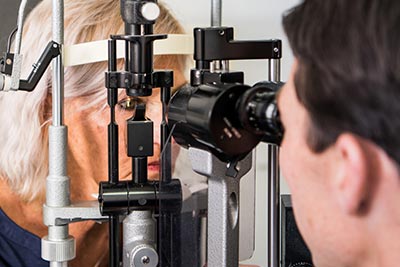
Glaucoma cannot be self-diagnosed. Only an optometrist or ophthalmologist can detect it through a comprehensive eye exam. Tests may include measuring intraocular pressure, examining the optic nerve, visual field testing, and imaging of retinal nerve fibers.
Treatment options aim to lower eye pressure and prevent further damage. These may include:
- Eye drops to reduce IOP
- Laser therapy to improve fluid drainage
- Surgery to create new drainage pathways
Many people require a combination of these treatments to manage their condition effectively.
Early diagnosis and consistent management are critical to preserving vision and slowing the progression of glaucoma.
Further information and help for living with Glaucoma can be found on the Glaucoma Australia website.