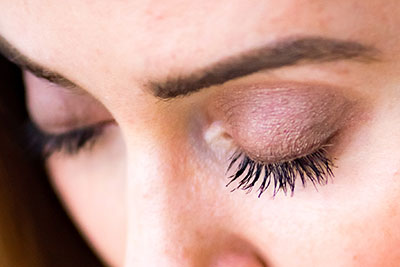
Upper Eyelids
Causes and Concerns
Drooping upper eyelids can result from two main issues:
- Excess skin of the upper eyelids (dermatochalasis): As we age, the skin loses elasticity, becoming loose and saggy.
- Weakening of the eyelid muscles (ptosis): The muscles responsible for lifting the eyelids can stretch or weaken over time.
Droopy upper eyelids can cause both functional problems and cosmetic concerns:
- Vision issues: Drooping eyelids may partially block your field of vision.
- Appearance concerns: They can make you look tired, older, or cause asymmetry between your eyes.
Treatment of Drooping Upper Eyelids
Blepharoptosis (ptosis) repair and blepharoplasty are two different surgical procedures that can sometimes be performed together to treat drooping upper eyelids.
- Ptosis surgery focuses on lifting the eyelid by tightening the muscle that raises it. This procedure primarily addresses functional issues, such as impaired vision caused by drooping upper eyelids.
- Blepharoplasty involves removing excess skin, muscle, and fat from the eyelids. It improves the appearance of the eyes and can also enhance upper vision by reducing obstruction from excess eyelid tissue.
Together, these procedures can restore both vision function and a more youthful appearance to the eyelids.
It’s important to know that upper blepharoplasty (removing excess skin and fat) and ptosis repair surgery (tightening the eyelid muscles) are different procedures, though they are sometimes performed together. The surgery is usually lasting around 60 minutes. This surgical procedure can be conducted in rooms or in the operating theatre, but you would not need to stay overnight. You will decide with your surgeon whether one or both lids will be done to increase the chances of symmetry between the eyes.
Private health coverage often depends on the reason for surgery. If the procedure is needed to improve vision, it may be covered. However, surgery done solely for cosmetic reasons is typically not covered by private health or medicare.
Eyebrow Surgery
Your eye specialist may also recommend eyebrow surgery. The muscle responsible for lifting the eyebrow has only a loose attachment to the outer (lateral) portion of the brow. As a result, this area is often the first to lose support over time, causing the lateral brow to descend. This can create hooding of the outer upper eyelid and may worsen the appearance of excess upper eyelid skin.
Several techniques are available to improve brow position, each with its own advantages and limitations. These can be discussed at the time of your consultation.
Before Your Eyelid Surgery
Before undergoing eyelid surgery, you will have a consultation with your eye doctor and may include the following tests:
- Complete eye exam: This can include checking tear production and measuring parts of the eyelids to assess their function.
- Visual field testing: This test evaluates your peripheral vision to detect any blind spots. It’s often required if you plan to use your private health.
- Eyelid photography: Photos of your eyelids from different angles help your surgeon plan the procedure and document any medical reasons for surgery, which may support private health coverage.
You will then spend some time with your eye doctor discussing possible results and expectations around the positioning or your eyelids and can discuss any of your questions or concerns at this time.
After Your Eyelid Surgery
 Western Eyecare Upper Eyelid Information Sheet